What if a sense of shame or awareness of even a small bit of responsibility has the ability to reveal power in our own lives and decisions? What if the emotional pain that can come along with recognizing responsibility can be used to inspire and open one’s mind to alternative thoughts, thus freeing one from the bondage of thoughts that have become automatic? This sounds empowering, yet decision exists at the crossroad of knowledge and empowerment. What will one do when knowledge is revealed? Maybe some ignore knowledge because a sense of responsibility that requires a difficult decision or a new result is unfamiliar and/or uncomfortable. What will I do? What will you do? Blame our circumstances? Blame others? Blame luck for not falling upon us? OR, will we claim the opportunity to examine our own decisions that could be modified for a potentially different, more desired outcome? Will we claim our own power of choice? This is the “chosen” life: a life lived by choice. This is a weighty encouragement. We have the weight of responsibility: We have the agility of selectability [coined word]. An approach-avoidance decision!
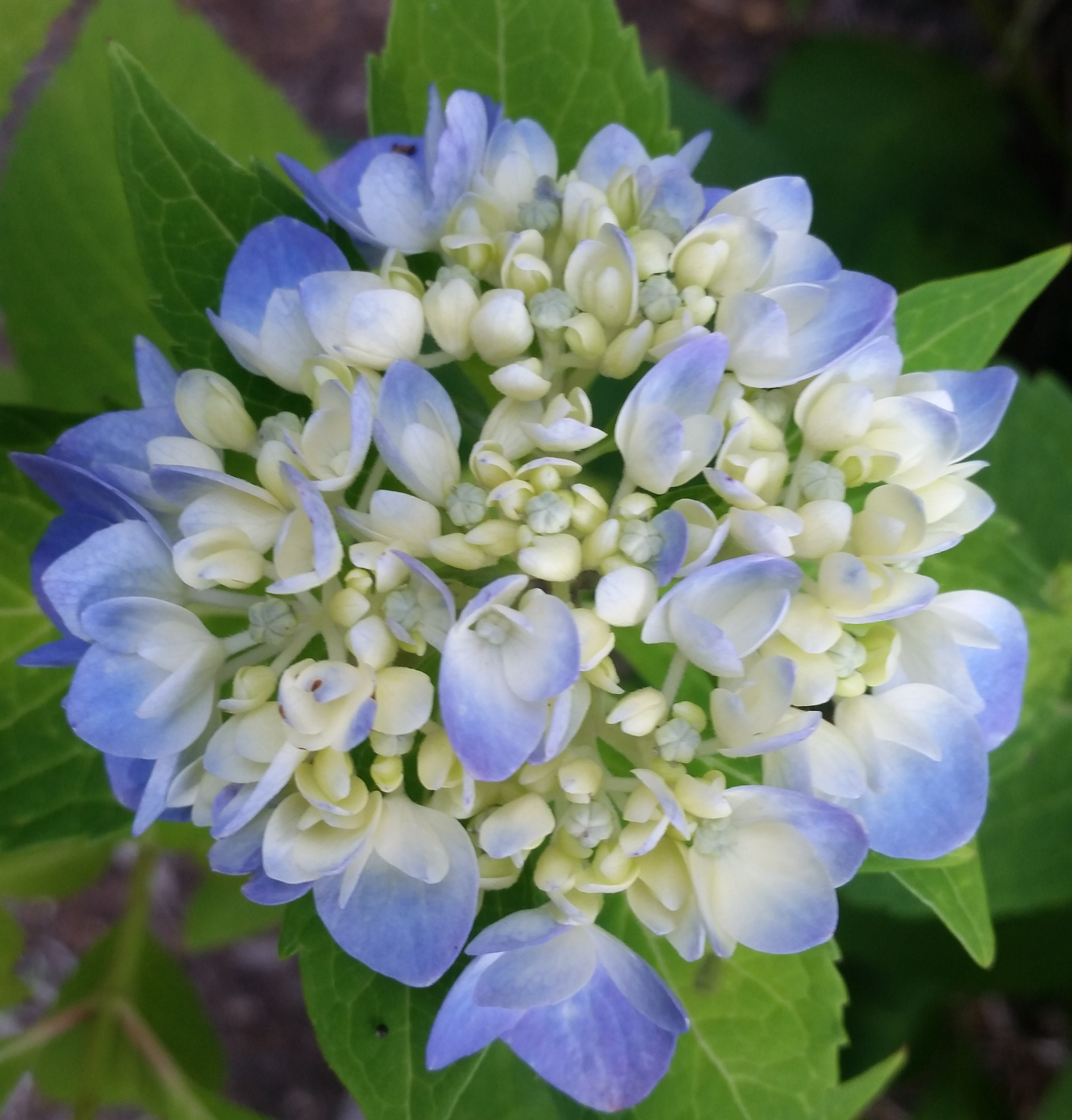
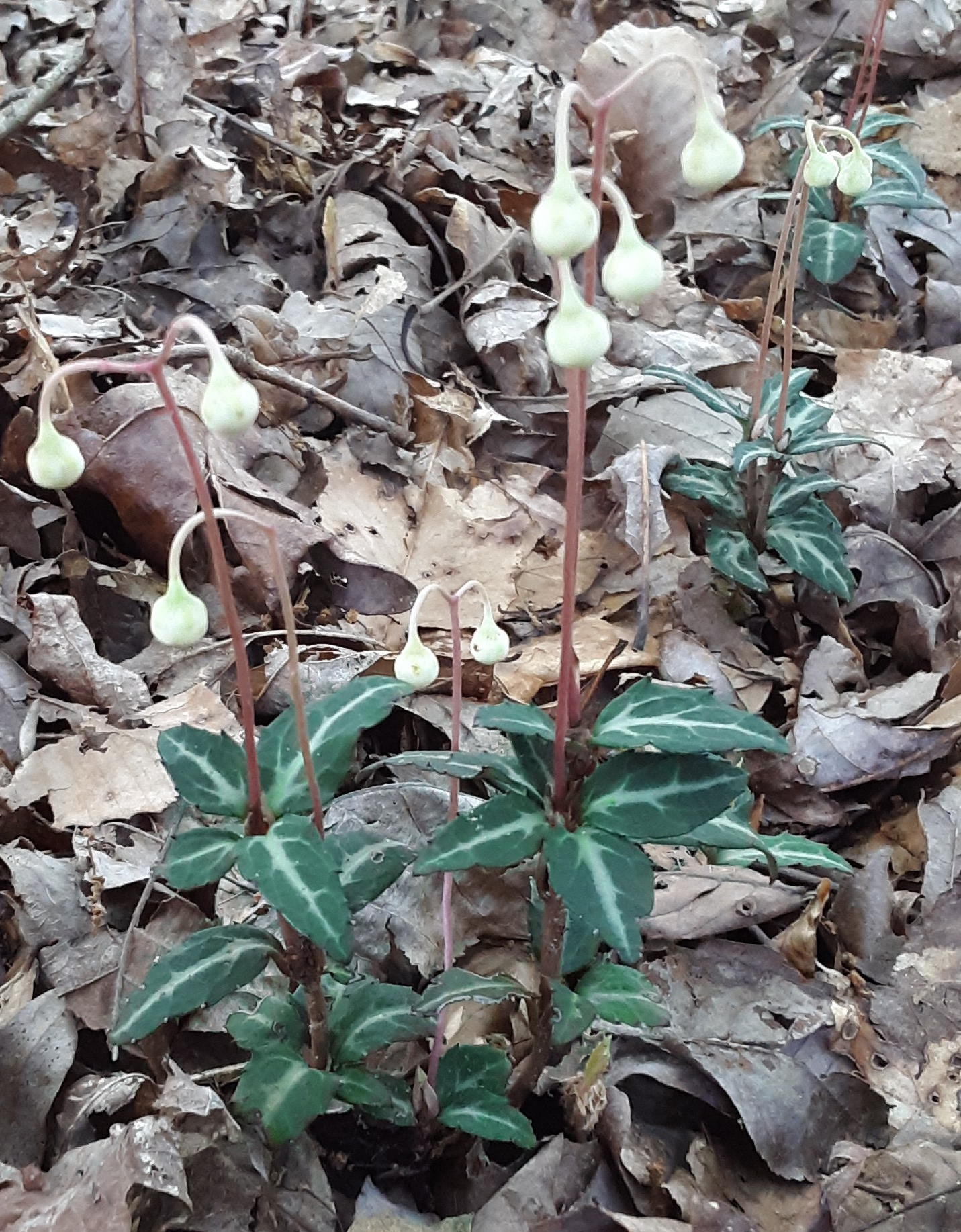 The plant in this picture makes me recall a relevant similarity to the comments I will make in this post. I found these beautiful plants in the woods near my house. They had sprouted through a bed of dense leaves and were out of view. “What a shame!”, I thought, “these are too beautiful to be unappreciated out in the woods without someone noticing and appreciating them.” I decided to give them great care and transplant them to a spot in my garden where I could provide excellent soil and water them regularly. I wanted them to grow and thrive, but the soil I provided was not what these plants needed to thrive and reveal their full beauty and potential.
Blame gives one’s power to others: Claim takes one’s power back. We might not be able to completely change our circumstance, particularly not in the immediate. If we can find that place where some power exists then we have found a place where we can persist, to seek a path we may walk, and find harmony with our talk. Yet, the discomfort of taking the responsibility of our power leads to making different decisions. Blame becomes a quick and easy hedge that seems protective from this discomfort. Sadly, the hedge is deceptive and ultimately leads to entrapment in a pattern of behavior that becomes automatic.
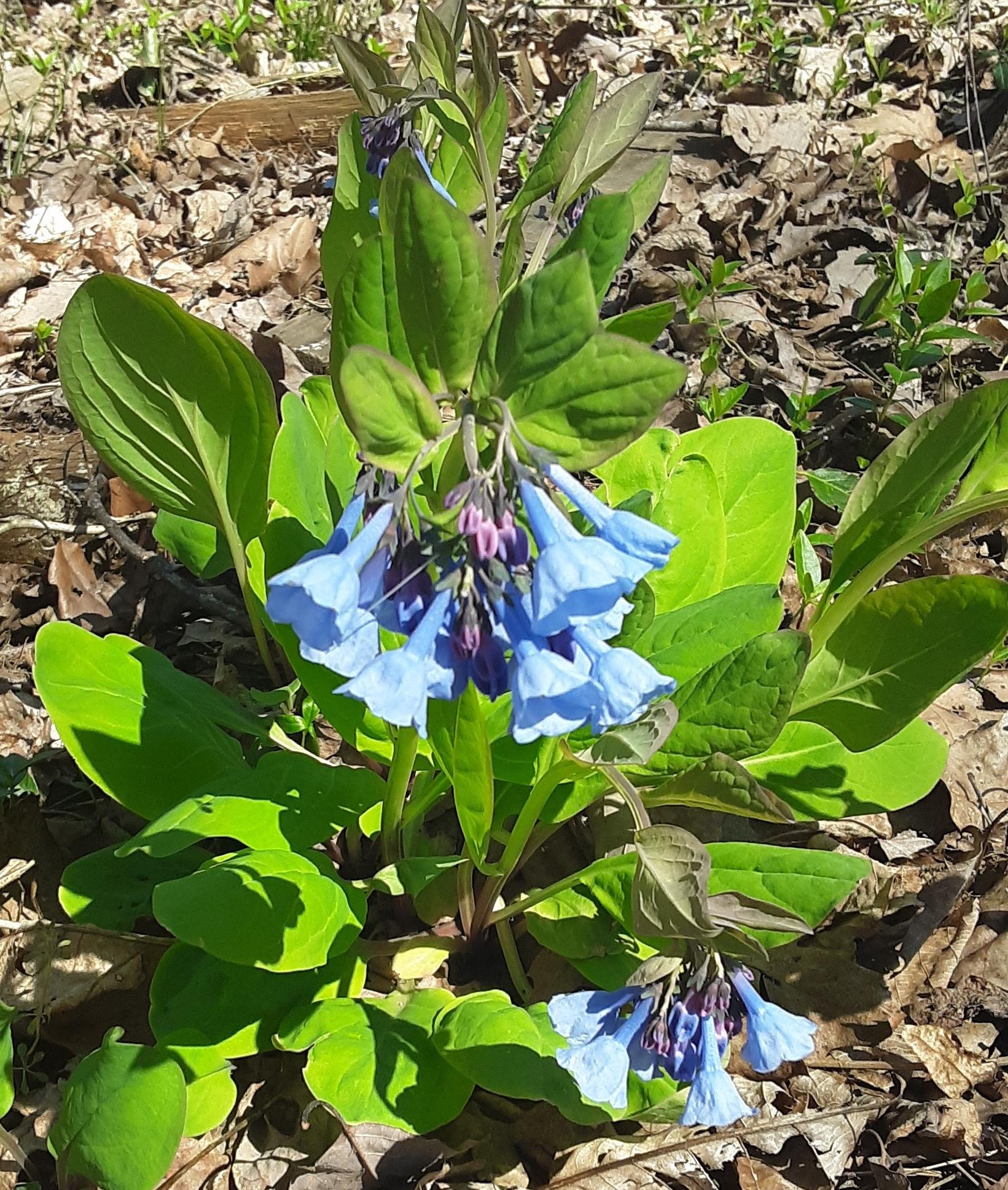 Knowledge of this truth comes from one’s own experience within the entrapment. In times of repeated hurt, when it seems we have no power to change circumstances, we might hide in the shadow of silence, annoyance, avoidance, and curt responses. These behaviors, meant to keep us from dealing with the circumstances that we cannot change, also trap us into unloving behaviors in relationships that are important. This is a simple, but difficult concept.
We might know, at a cerebral level, where our power is hidden, here inside this fortress of our hedges that were meant to protect, but now traps. Our tools are now rusty and our wills have become cautious within our hedges. Maybe there is a bit of life remaining in the strife within our souls. If we dig through the years of resistance, could we find a bit of residual resilience? Where are those seeds of courage? Why didn’t we water them when they were fresh and capable of bringing life to our relationships? – The life that we could maintain, not the life that others expected of us in these relationships.
In each of our gardens, our seeds need a certain soil and can only bear the fruit that our seeds are designed to produce. From the “other’s” perspective the soil should be better and that fruit should be bigger, or different, or should bring them more sustenance. But, our seeds cannot grow to full potential in the garden of other’s expectations. We must plant our seeds in the soil that allows our seeds to mature into full capability. Our vines might be able to grow enough to shelter others, bring fruit into other’s lives, and shed seeds onto the soil of others; however, the roots must remain in the soil that allows our own vines to thrive. It’s difficult to perceive that others might require the transplanting of our seeds into their gardens. Thus, creating the source of our resistance, and what feels like a fight to remain in the soil that allows our own vine to exist and thrive. 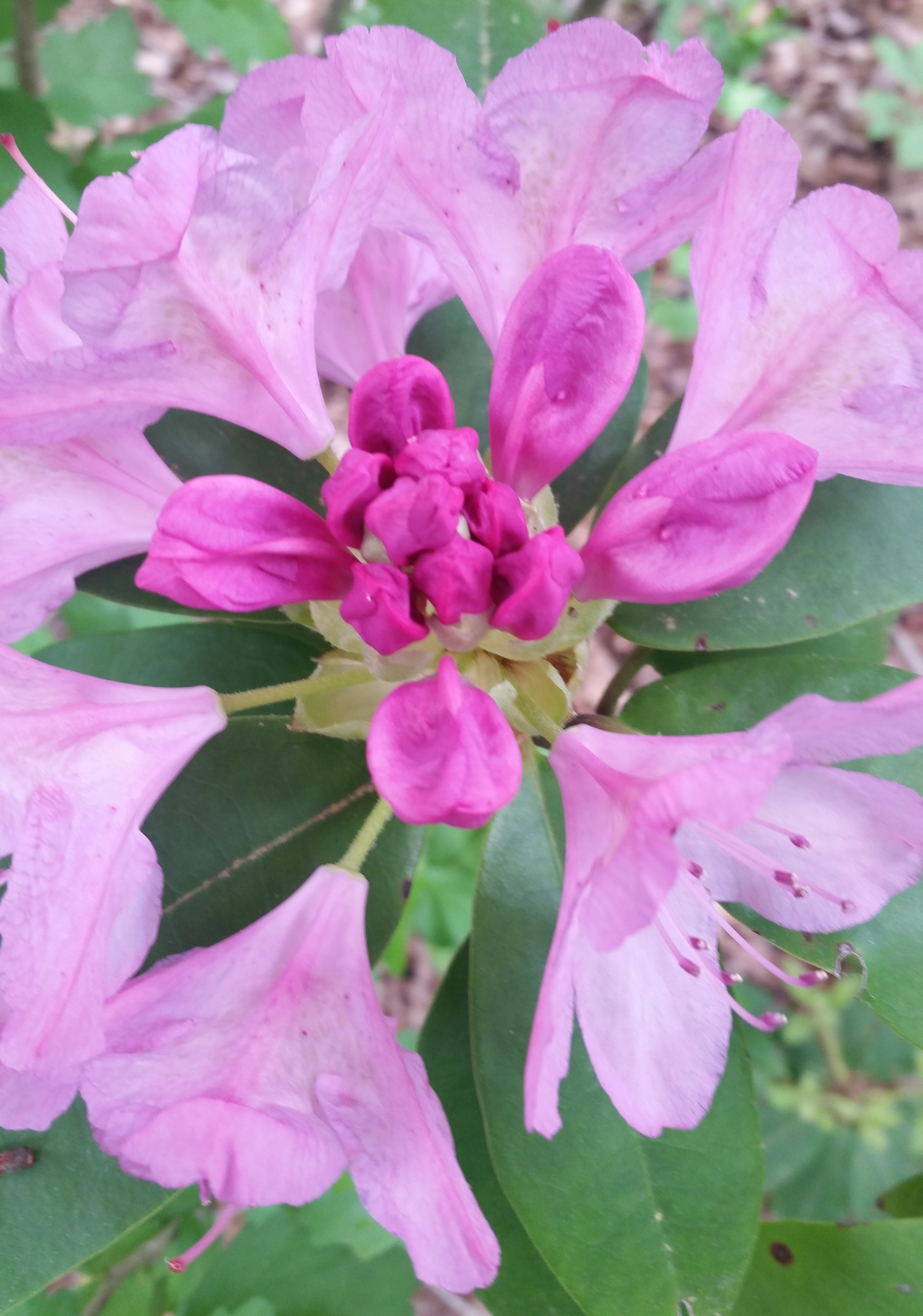 Never feeling like words would matter, only using unpleasant reactions to resist the expectations of others. How contained we can feel within our hedges of “protection” that we allow to grow and is now so high that our vines struggle to climb high to reach the others with whom we desire to connect and impact. An entrapping, “protective” hedge of our own choosing because we did not have the courage to deeply root ourselves in the soil best suited for our seeds. Instead, our focus was on that “protective” hedge and nurturing its growth so that we would have to claim responsibility and deal with the discomfort of keeping our gardens thriving while the expectations and pressures of others drop seeds of frustration, resentment with life and past experiences, unrest, anger, and more onto our soil. Our focus on the hedge allowed those unwanted seeds to grow in our garden and now our garden needs weeding.
“We are our choices.”
― Jean-Paul Sartre 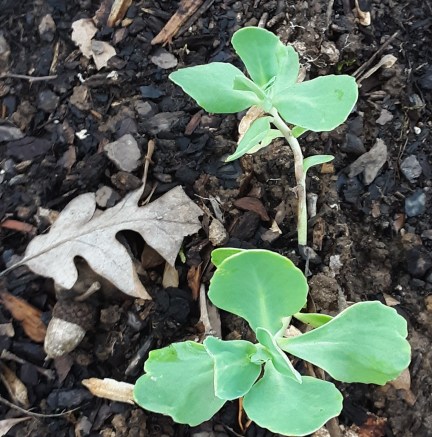
Our own seeds are less healthy and bear fewer fruit than they could have if only we had focused on digging our roots deeply into the authentic soil that brought our seeds the nourishment and sustenance the particular cells of our seeds needed. Our soil contained all we needed, but the expectations of others who suggest that we needed their soil led to defensiveness and we yielded to our perceived need to defend our own seeds with a hedge. Additionally, the seeds of unwanted responses grow, choking out our healthy seeds. Can’t we exist without feeling compelled to be something different? Why do we struggle to just be authentically ourselves in ALL settings of our lives? Is the source of our fear that we cannot handle the reactions of others, the disappointment, the anger, even the acceptance of others? It’s beyond time that we acknowledge our own choices and claim our true lives. Something so simple, yet the mind, when considering emotion, makes it hard. The hedge can be pruned, and it is permeable and malleable. We have choice, but it will be a transition of emotion.
“It is we who have the power to change this.” {said with quiet, heavy acknowledgement}
“It is we who have the power to change this.” {said with understanding}
“It is we who have the power to change this.” {said with somewhat weighty acceptance}
“It is we who have the power to change this.” {said with the small seed of courage}
“It is we who have the power to change this.” {said with a sense of responsibility}
“It is we who have the power to change this.” {said with some hope}
“It is we who have the power to change this.” {said with confidence}
“It is we who have the power to change this.” {said with a smile}
“It is we who have the power to change this!”
There is no need to blame others. There is no need for inappropriate shame. There is only the option to claim the responsibility and act upon it. Failing to act upon this knowledge negates any power this knowledge might supply.
“But until a person can say deeply and honestly, “I am what I am today because of the choices I made yesterday,” that person cannot say, “I choose otherwise.”
― Stephen R. Covey






 Often adults, like children, hear “stop” as negative, but the “stop” is given with a positive intention. “Stop” might be yelled with a fearful tone of a care-motivated warning. Some behaviors require immediate &/or strong “stop” responses. A child running toward a street; a teen or adult taking a substance that can harm; a voice of cautionary reason in times of strong emotional response, etc. There are simply times when “stop” is protective, even if it feels like a negative command or it intellectually seems like an unnecessary barrier to a desired outcome.
 Darrell connected with another talent of fine woodworking. In the late 1990’s we took a trip to the northeast that included visiting the lighthouses of Maine. We fell in love with Maine. A few years later, our dear friends Mike and Dee Williams began spending summers in Maine. We had recently began attending a church with Mike and Dee and they graciously invited us to visit with them in Maine one summer. While Darrell is a bit timid with people he does not know extremely well, I pushed for us to make the visit. We visited with them many more summers because they are the kind of friends who simply take a person for who they are and value individual differences.

 Life has brought some more significant challenges. There were times I certainly felt like a victim. Some of those life-events were such that I was probably truly a victim in that there was very little, maybe nothing at the time, that I could have done to prevent the events. After a while I realized that if the only thing I could control in the moment was my response then that was power enough to change the situation. The development of self-efficacy throughout my life helped me see that I might be victimized but I will NOT live as a victim. I will not ascribe to myself or wear that label. Ultimately, I do have a choice and I can be effective. No matter how small that effectiveness might seem initially, the power begins to grow and produce more power, like a spark leads to a flame. I esteem myself because I know I can be effective, innovative, adaptable, etc. My parents’ decision to allow me to face small challenges built self-efficacy (self-effectiveness) and in many ways these experiences built a solid foundation for self-esteem.
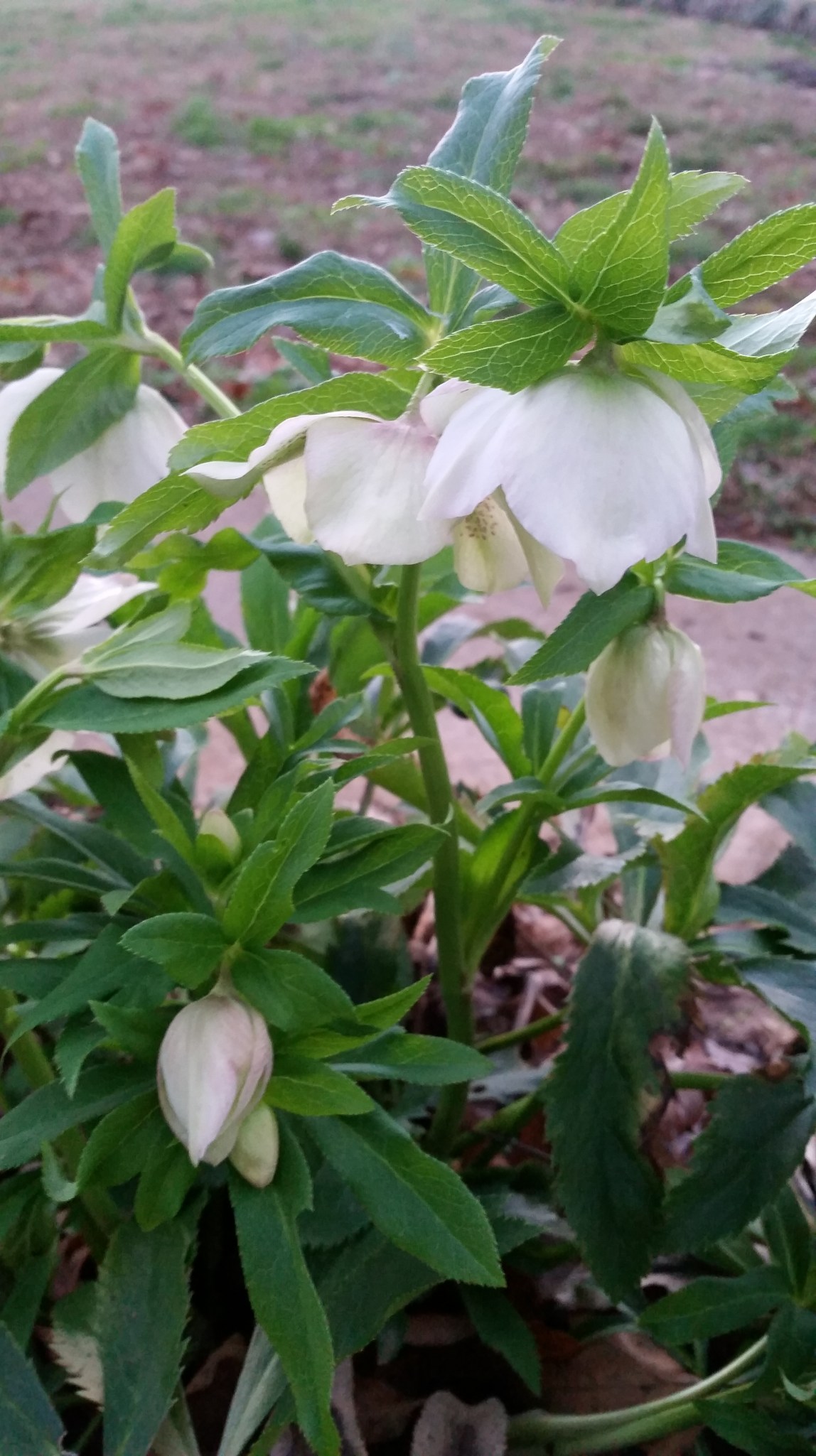 spring now and I see why this plant is located in such a nice, sunny spot of the garden.


 A Chosen Life